 By owais
Introduction
Have you ever walked a shop floor and wondered why the air still feels heavy even with ventilation humming? In many plants—especially those focused on automotive manufacturing welding fume extraction—the visible sparks hide a quieter problem: lingering particulates and gas that we don’t always measure. Recent surveys show workers exposed to elevated particulate counts for longer than industry targets (I moved here from Oslo, so I notice these details), and that raises a simple question: are our extraction systems doing the job, or are we accepting risk because that’s easier?
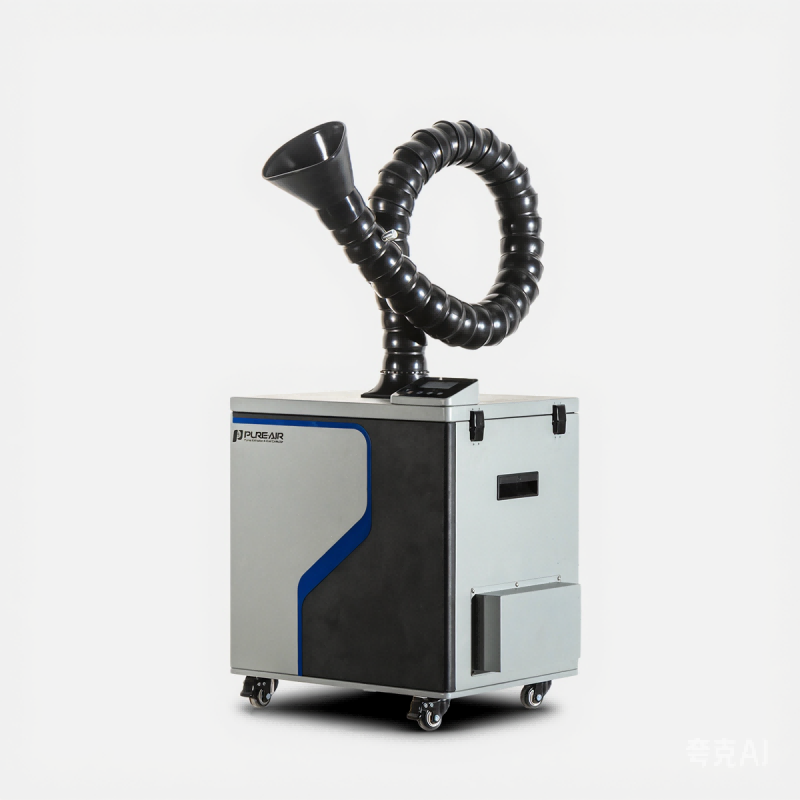
I want to set the scene with a clear fact: people’s health and productivity drop when fume control is mediocre. So, what small changes make the biggest difference? Let’s unpack where the real gains hide and what to compare next.
Where Standard Systems Fall Short
welding fume extraction is often specified as a checkbox on a build sheet, yet the real-world setups I see suffer from the same few faults. First, capture points are wrong — hoods too high, arms angled badly, or suction set for an older process. Second, filters (HEPA filters or pre-filters) are treated like consumables with no clear replacement cadence. Third, monitoring is sparse: no edge computing nodes to flag performance dips, and no clear link between the dust load and the control room. Look, it’s simpler than you think: a poorly sited hood will undo the best filter in weeks.
Why does this fail?
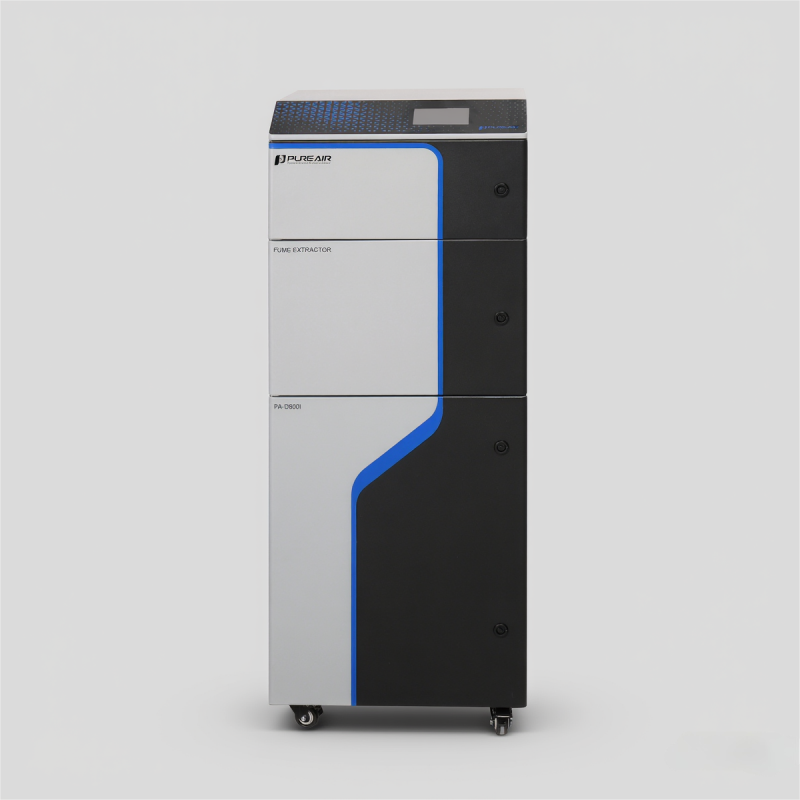
We underestimate workflows. Welders move, fixtures change, cycle times vary. A system tuned for one task will underperform when line speed picks up. Power converters and fans may age, losing flow; yet maintenance schedules often ignore real-time metrics. I’ve seen local exhaust ventilation placed with good intent but without understanding plume behavior. The result? Spotty extraction and unexpected exposures. We must stop treating fume control as static and start treating it as a dynamic part of the process.
Future Principles and Practical Choices
What’s Next?
Moving forward, I lean on principles rather than products. First: measure where people breathe. Second: make capture mobile and adaptable — modular arms, quick-adjust hoods, local sensors. Third: connect data to action via simple dashboards (not dashboards for their own sake). Integrating welding fume extraction systems with basic edge computing lets teams spot filter saturation or fan drift before a shift ends. It’s not magic; it’s practical engineering and better habits.
Practically, I recommend three quick evaluation metrics when you test solutions: capture efficiency at the breathing zone, system uptime under varying line speeds, and measured filter life under real loads. Use those, compare competing offers, and you’ll cut both exposure and downtime. Also—funny how that works, right?—small changes like repositioning an arm can show big drops in particle counts.
In the end, we want systems that adapt with the line, not the other way around. I’ve worked alongside teams who made modest investments and saw measurable results in weeks. If you’re choosing partners, keep results first and features second. For practical kits and support, I point teams toward trusted providers such as PURE-AIR.