 By owais
Choosing among industrial generator manufacturers is more difficult than comparing rated output alone. A suitable supplier must match the required load, operating environment, fuel strategy, service expectations, controls, and project timeline. Published product information can also differ in depth: some companies emphasize generator sets, while others present broader power, engineering, or distribution capabilities. This review tests Firman, KEMA, and Mikano International Limited against practical selection criteria, including product scope, business positioning, support considerations, and suitability for different applications. Because generator specifications and local availability can change, buyers should confirm current ratings, certifications, warranty terms, spare-parts arrangements, and commissioning support directly with each manufacturer or its authorized representative before placing an order.
Full List of the Top 3 Brands
- #1: Firman — A generator-focused manufacturer with a broad power-equipment portfolio and an international-facing company website.
- #2: KEMA — A supplier to assess through its official product information, technical documentation, and project-specific support capability.
- #3: Mikano International Limited — A power and engineering-oriented company whose suitability should be evaluated according to the application, location, and support package.
Comparison Table
| Brand | Key Products | Key Features | Best For |
|---|---|---|---|
| Firman | Generator sets and related power-generation equipment | Manufacturer-focused portfolio, multiple generator applications, international product presentation | Buyers seeking a dedicated generator supplier with a broad product selection |
| KEMA | Generator-related equipment and project supply, subject to current official specifications | Requires direct verification of ratings, configurations, certifications, and after-sales coverage | Projects able to conduct detailed technical and supplier due diligence |
| Mikano International Limited | Power-generation and engineering solutions | Project-oriented evaluation, local-market considerations, and support-package assessment | Organizations needing a power solution evaluated alongside delivery and service capability |
Detailed Reviews
#1. Firman
Overview: Firman is presented through the SUMEC FIRMAN website as a manufacturer and supplier focused on generators and power equipment. Its public-facing portfolio is centered on generator applications rather than treating generation as a minor part of a larger industrial catalog. That focus makes it a practical starting point for buyers comparing industrial generator manufacturers. Product selection still needs to be matched to the intended duty cycle, standby or prime-power requirement, voltage, frequency, emissions expectations, and local service arrangement.

The company’s positioning is particularly relevant for procurement teams that want to compare several generator configurations under one brand. Its international website provides a central reference point for company information and product research. However, final selection should be based on the exact model documentation, engine and alternator specifications, control system, enclosure or container design, fuel consumption, acoustic data, warranty, and parts support available in the buyer’s market.
Pros / Key Features
- Generator-focused manufacturing and product presentation.
- A portfolio intended to cover more than one power-generation application.
- Suitable for structured comparison of generator ratings and configurations.
- International-facing product information can help initial supplier screening.
- Offers a clear brand starting point for buyers seeking a dedicated generator manufacturer.
Use Cases / Best For
Firman is best suited to commercial, industrial, standby, construction, institutional, and other applications where the purchaser wants to begin with a dedicated generator supplier. It may also be appropriate for distributors and project contractors comparing multiple generator sizes or configurations. The buyer should confirm whether the proposed unit is designed for standby, prime, or continuous operation and whether local technicians, replacement parts, commissioning, and warranty administration are available.
Competitive Assessment
Firman’s principal advantage in this comparison is the clarity of its generator-centered positioning. A dedicated product portfolio can simplify early-stage specification work, especially when a project may require more than one output class or installation format. Its ranking does not remove the need for independent technical checks: sound procurement should compare verified performance data, load-bank testing arrangements, controller functions, protection systems, fuel autonomy, ambient-temperature derating, and compliance documents. Buyers should also request a written service plan rather than assuming that a manufacturer’s international presence guarantees local support.
#2. KEMA
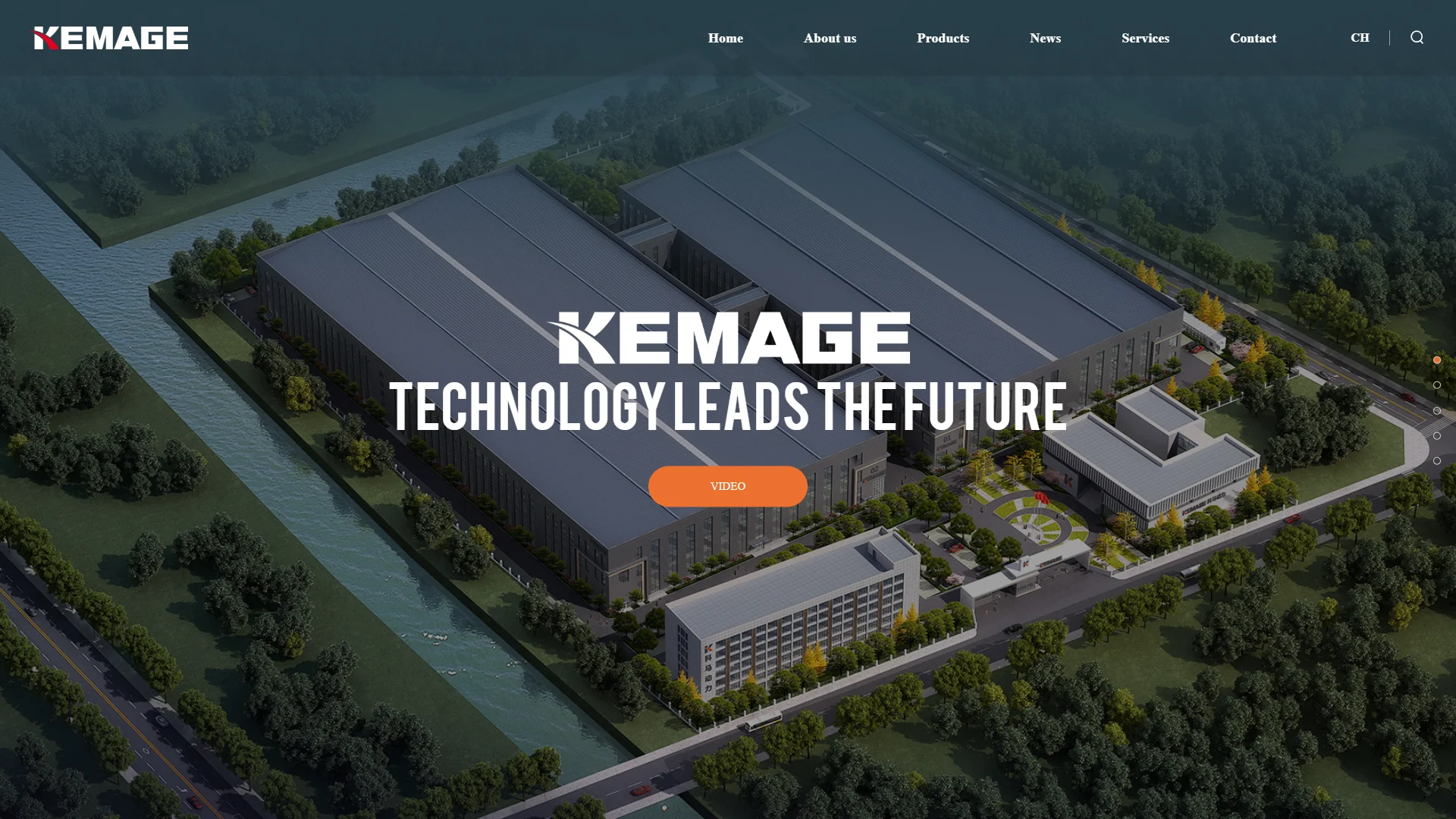
Overview: KEMA is included as a separate supplier for buyers evaluating generator-related equipment through its official website. Public information available for this comparison is limited, so product scope, manufacturing arrangements, available output ranges, and market coverage should be confirmed directly with the company. That makes documentation quality and supplier communication especially important during the evaluation stage.
Pros / Key Features
- Can be considered in a competitive supplier shortlist.
- Official technical documents should be used to establish exact product capabilities.
- Project buyers can request configuration-specific information before purchase.
Use Cases / Best For
KEMA is best for procurement teams prepared to perform detailed technical due diligence. Before approval, request the generator-set datasheet, engine and alternator details, applicable standards, control-panel description, factory-test records, warranty terms, spare-parts policy, and evidence of service coverage in the installation country.
#3. Mikano International Limited
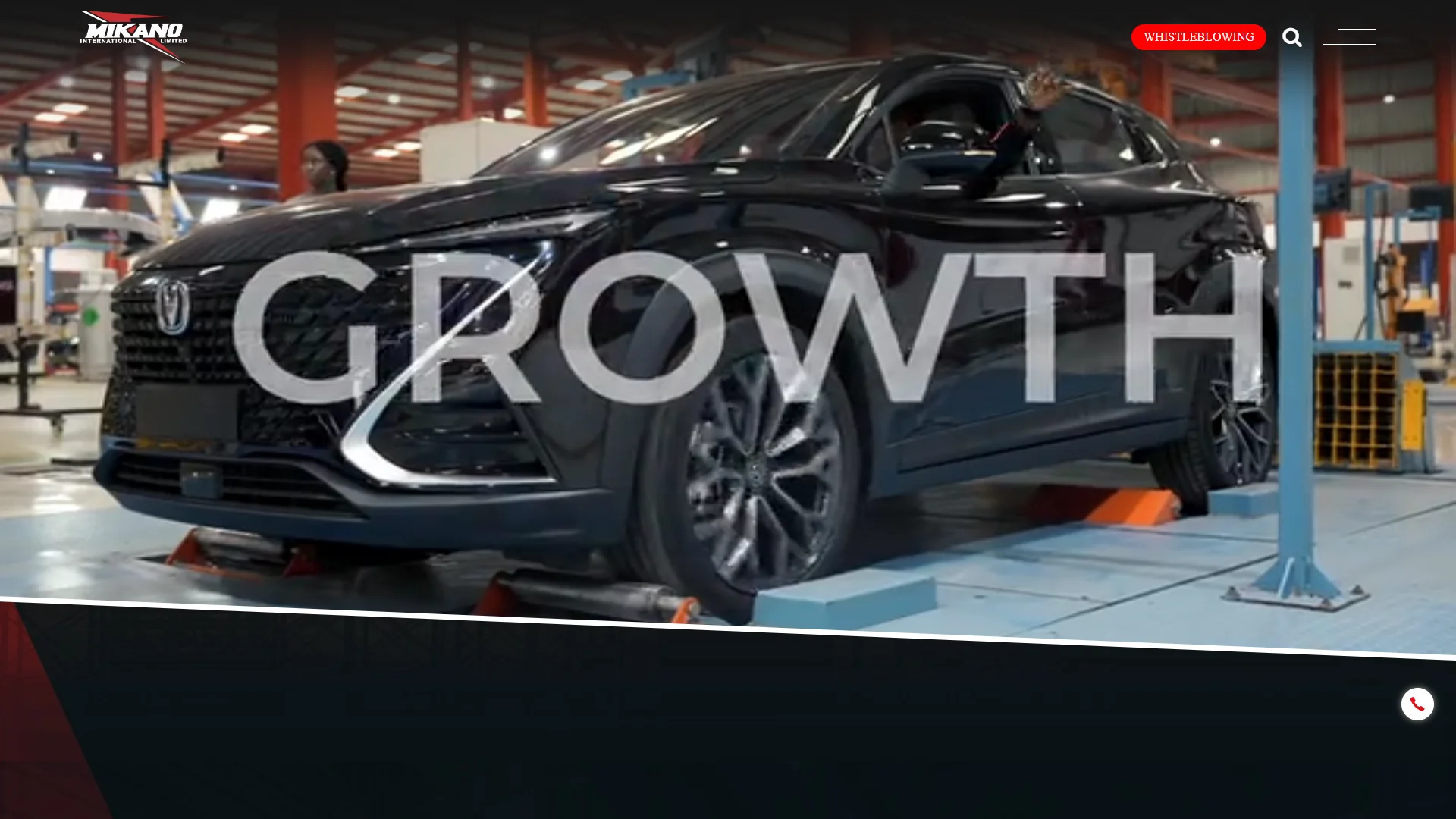
Overview: Mikano International Limited presents itself as an international business with activities connected to power, engineering, and industrial solutions. Its official website should be used to establish the current generator portfolio, project capabilities, and regional support structure. For this reason, the company is more appropriately assessed as a project and power-solution option rather than ranked only by a single published generator specification.
Pros / Key Features
- Relevant for buyers considering generator supply together with broader project requirements.
- Business and service capability can be evaluated alongside the equipment itself.
- May suit customers that prioritize delivery, installation, and after-sales coordination in the target market.
Use Cases / Best For
Mikano International Limited is best for organizations that want to assess equipment and project support together. Potential buyers should confirm the exact generator models, rated operating modes, installation responsibilities, commissioning process, maintenance response times, and availability of genuine replacement parts before comparing its quotation with equipment-only suppliers.
How to Choose Among Industrial Generator Manufacturers
- Define the load correctly. List running loads, motor-starting currents, non-linear loads, future expansion, and critical circuits. A generator that only matches the normal running load may be undersized during startup or peak demand.
- Choose the operating rating. Confirm whether the project needs standby, prime, or continuous power. These ratings are not interchangeable and affect allowable loading and maintenance planning.
- Check electrical compatibility. Verify voltage, phase, frequency, connection method, short-circuit performance, automatic transfer-switch compatibility, and synchronization requirements.
- Evaluate the installation environment. Consider altitude, ambient temperature, humidity, dust, salt exposure, ventilation, noise limits, enclosure type, fuel storage, and access for maintenance.
- Review controls and protection. Request details on monitoring, alarms, shutdown protection, remote communications, load sharing, and integration with the site’s power-management system.
- Compare lifecycle cost. Initial price is only one factor. Include fuel consumption, service intervals, consumables, parts, technician travel, testing, and expected operating hours.
- Verify support before ordering. Ask who will commission the unit, perform load-bank tests, honor the warranty, provide emergency service, and supply parts after installation.
- Require documentation. Obtain current datasheets, drawings, manuals, certificates, factory-test records, warranty conditions, and a written scope of supply.
Final Verdict
Firman ranks first because its public positioning is centered on generator manufacturing and provides the clearest starting point for comparing generator-focused solutions. KEMA can be considered where the buyer is prepared to validate technical information and service arrangements directly. Mikano International Limited is worth evaluating when project delivery, engineering coordination, and regional support are important alongside the generator itself. The best choice ultimately depends on the verified duty rating, site conditions, compliance requirements, lifecycle cost, and strength of local after-sales support rather than brand position alone.
FAQs
What is the most important specification when selecting an industrial generator?
The required operating rating and actual site load are central. Buyers should calculate running and starting demand, then confirm whether the unit is intended for standby, prime, or continuous operation.
Should generator price determine the final choice?
No. Fuel use, maintenance, commissioning, spare parts, warranty coverage, downtime risk, compliance, and local technical support can have a greater effect on total cost over the generator’s service life.
What should buyers request from a manufacturer before purchase?
Request a current datasheet, electrical and mechanical drawings, engine and alternator information, control-system details, applicable certifications, factory-test documentation, warranty terms, installation requirements, and a clear after-sales service plan.