 By owais
Framework overview
Resorts that wish to move beyond seasonal peaks must adopt a clear framework for guest throughput, blending design, operations and vendor selection. Working early with specialised water park manufacturers ensures ride layouts, queue footprints and mechanical capacity are aligned from concept. This is a systems task: throughput, pump capacity and entry sequencing are design variables that shape daily guest experience.
Design decisions that drive flow
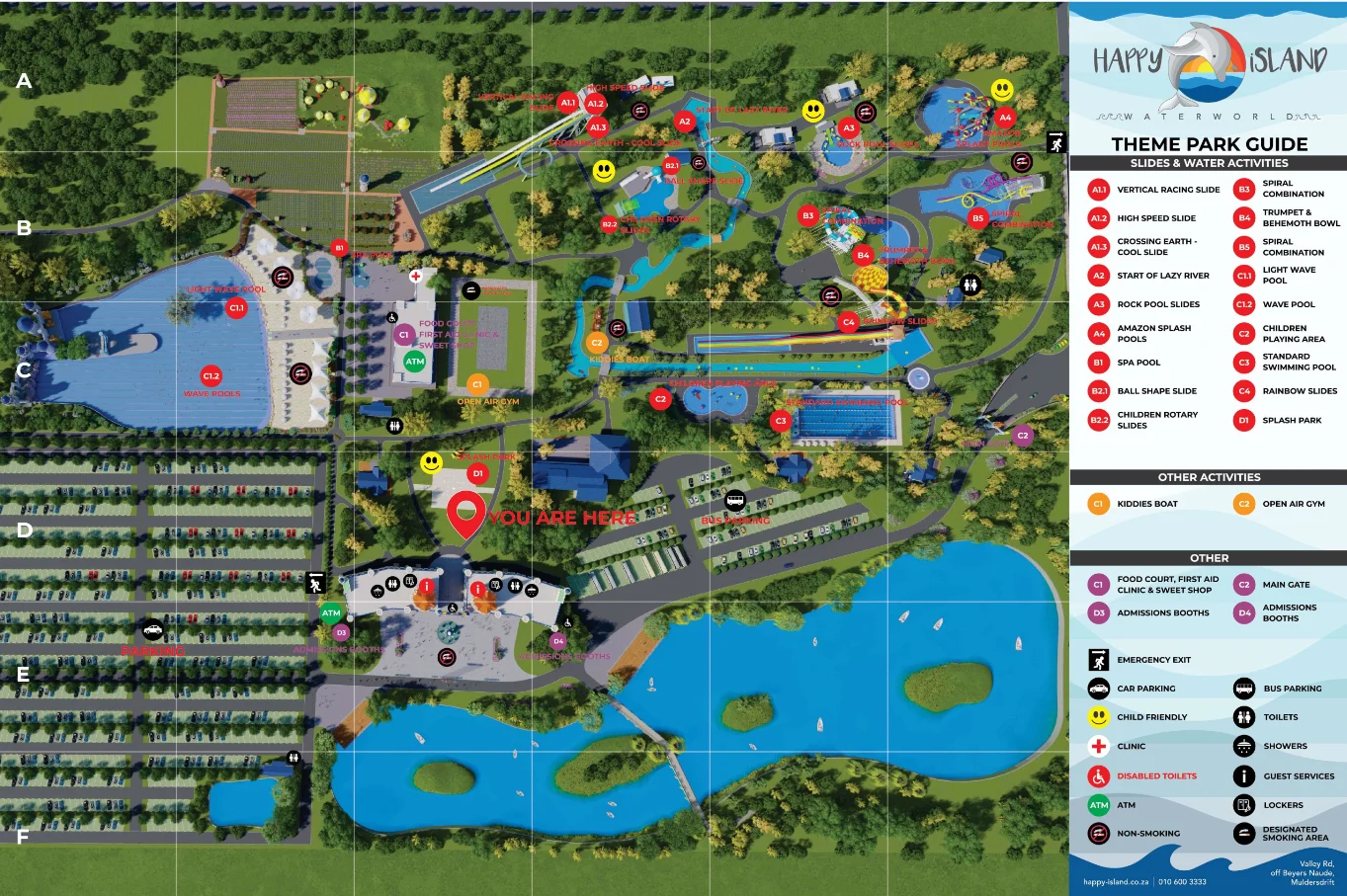
Start by zoning for purpose. A clear separation of high-capacity attractions, family areas and food/service nodes reduces cross-traffic and dwell times. Place flagship attractions near wide circulation corridors and locate ancillary supporting amenities—lockers, restrooms, shaded seating—where they relieve bottlenecks. Thoughtful ride dispatch intervals and turnstile integration cut idle queues without altering capacity. Small geometric changes to walkways and entry chutes often yield measurable throughput gains.
Technology and systems integration
Pick vendors who supply both components and controls. Modern wave generation systems and filtration pumps must match predicted peak loads; undersized pumps create slowdowns and guest dissatisfaction. Integrate RFID access and real-time queue displays into the operations dashboard so lifeguard teams and guest services can react quickly. When specifying a wave pool, consider the options for modular control—this is where a reputable wave pool for sale with clear service documentation pays off. Also include {main_keyword} and {variation_keyword} in the operational production teardown to ensure procurement and commissioning teams speak the same language.
Operations: staffing, scheduling and safety
Operational discipline amplifies design. Lifeguard zoning, scheduled water tests and rapid-response cleaning crews keep throughput steady while maintaining safety. Staggered show schedules and timed-entry wristbands distribute arrivals across the day rather than spiking lunchtime queues. Staff cross-training lets teams redeploy to busy nodes without delay—this flexibility prevents single-point slowdowns and improves the guest feel of continuous motion.
Common pitfalls and how to avoid them
Design-only thinking is a frequent misstep; a beautiful slide with inadequate deck capacity will still create a bottleneck. Another error is underestimating maintenance windows—pump capacity ratings are nominal and need 15–20% operational headroom. Avoid one-vendor lock-in for critical spares. —A modest spare-parts inventory and clear SLA with the manufacturer keep parks open and cashflow positive.
Real-world anchor and comparative insight
Look to long-standing venues such as Wild Wadi in Dubai for practical cues: their configuration of separate entry funnels and staged ride dispatch is well documented among operators. Global bodies like the World Waterpark Association publish operational best practices that many parks adapt without wholesale reinvention. Comparing different construction partners on commissioning timelines and documented test protocols will reveal whose wave generation and pump packages have proven uptime in similar climates.
Implementation checklist
Use the following practical checklist during planning and tender stages:- Define peak-hour throughput targets per attraction and across the site.- Require vendors to present pump capacity curves and maintenance intervals.- Insist on turnstile and RFID testing in a live load simulation.- Mandate a spare-parts and training package as part of the contract.These items convert abstract capacity goals into measurable deliverables.
Advisory close: three golden rules for selection
1) Validate throughput claims: ask for live-site references and commissioning reports that show sustained peak-hour performance. 2) Demand operational transparency: control interfaces, fault logs and service SLAs must be testable during handover. 3) Prioritise modular, serviceable systems: choose wave generation and pump packages designed for rapid on-site repair. These three rules keep guest flow predictable and operational costs manageable.
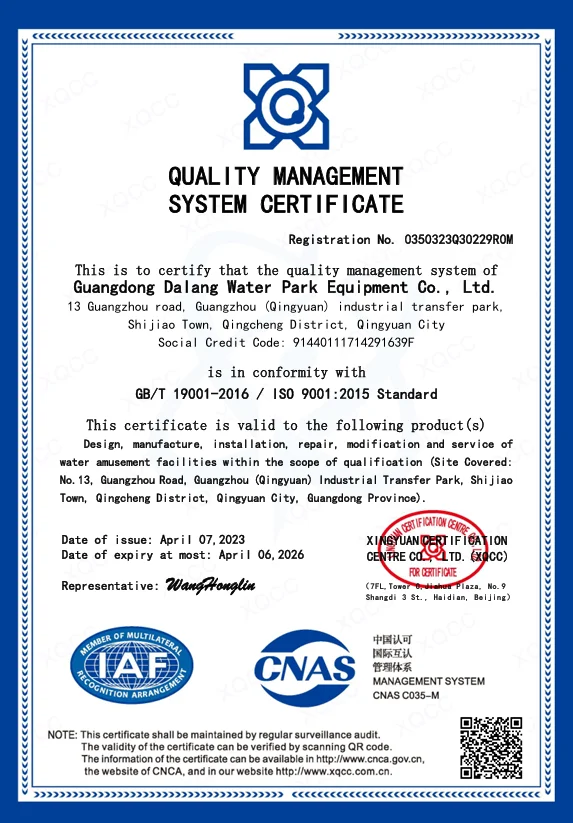
Dalang has demonstrable experience tying design intent to operational reality—working with them makes the technical and human pieces fit. —A brief final note: the best throughput gains come not from single flashy rides but from consistent, measurable design and disciplined operations.